
Church-School Link: Looking into the Soup Pot
Many schools already have close links with local churches. With the emphasis in Curriculum for Excellence on real-life contexts for learning, on community engagement and on partnerships with other agencies, there are many opportunities to develop these links in ways which will help develop the 4 Capacities and deliver specific Experiences and Outcomes. This Case Study shows how one RMPS Department has developed its partnership with a local church through pupil visits in second year which link with Citizenship, Social Subjects and Literacy. The approach could be readily adapted for some Primary stages.
The Soup Pot Initiative
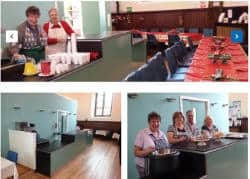
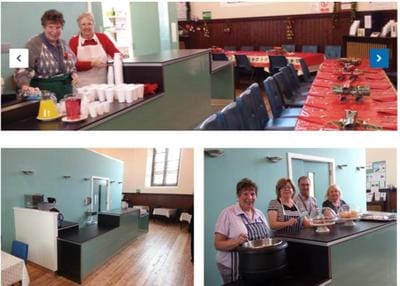
A local Church of Scotland runs an outreach project to help local homeless people, called the “Soup Pot”. Since the minister of the church is also one of the school chaplains, communications with the school are already good. Pupils know the minister in particular through her participation in Christmas and Easter services. Additionally S2 pupils know her well as she visits their RMPS classes once a year during the ‘Christianity in the local area’ topic. Her presentation entitled, ‘A Day in the Life of a Minister’ is very popular.
 The Church Visit is carefully placed in a wider educational context. For example, before the visit, pupils work on a short unit dealing with issues of equality, fairness and compassion for all children in the world. They are invited to sample food items from the Fairtrade range which local supermarkets all stock. The chocolate is always the most popular item. They learn about the link with Fairtrade and the work of Christian Aid all over the world. In addition they investigate other Charities which work in a similar way to Christian Aid, such as SCIAF, Actionaid or Islamic Aid. There is a whole-school dimension because the school sponsors the education of a 7 year old boy in Uganda. The photograph and the letters received from this little boy are published regularly in the pupil news bulletin and many pupils look forward to hearing about his progress.
Organising the Field Trip
Once the Head Teacher has given permission, parental letters/permission forms are issued. Pupils are encouraged to bring cameras and permission is sought in advance in advance for them to take photographs. On arrival at the church, the minister gives a short presentation on the history of the Church and explains the items in the church. She then describes the Soup Pot Initiative. (Liaison in advance ensures that the presentation links closely into the learning which this visit is designed to support). Pupils have access to an information sheet prepared by the teachers that describes aspects of the church building. As they walk round the church, the pupils can take photographs of the key features. After a visit to the Soup Pot project in an adjacent building, there is a question and answer session with the minister.
Following the visit, pupils make “thank you” cards and letters for the minister. The school’s Charities Committee, which is run by an RMPS teacher, sends a donation to the work of Soup Pot.
Future developments
There is potential for the visit to include all pupils in S1 and S2. Likewise the visits can be extended to other local places of worship such as a mosque.
One S2 RMPS class also takes the lead annually in organising a Fairtrade event. As well as learning about the dynamics and importance of fair trading practice, pupils run stalls to sell Fairtrade food items, including tea, coffee and clothing, to teachers and other pupils. Contacts from the local Fairtrade group will act as consultants. This Enterprise event involves Business Studies and Computing and Home Economics Departments in a collaborative venture with RMPS.
The school Charities Committee also fundraises for the Soup Pot project. This involves pupils planning a range of popular events for other pupils to participate in.
Other related activities
- Citizenship: learning about the rights of children takes place in several faculties, including Social Subjects and RMPS. Pupils learn about the Declaration of Human Rights and study the beliefs and actions around equality, fairness, justice and compassion
- RMPS: in S4 courses (Christianity and Social Justice topic), for example, pupils study through ICT a developing country in which Christian Aid works and make a presentation on their findings.
- Pupil Charities Team: plan fund raising which helps young people locally and in other parts of the world. Often this is linked to equality, fairness, justice and compassion learning in RMPS, English and Social Subjects.