
National Summit on Chaplaincy in Education: report by Steve Younger
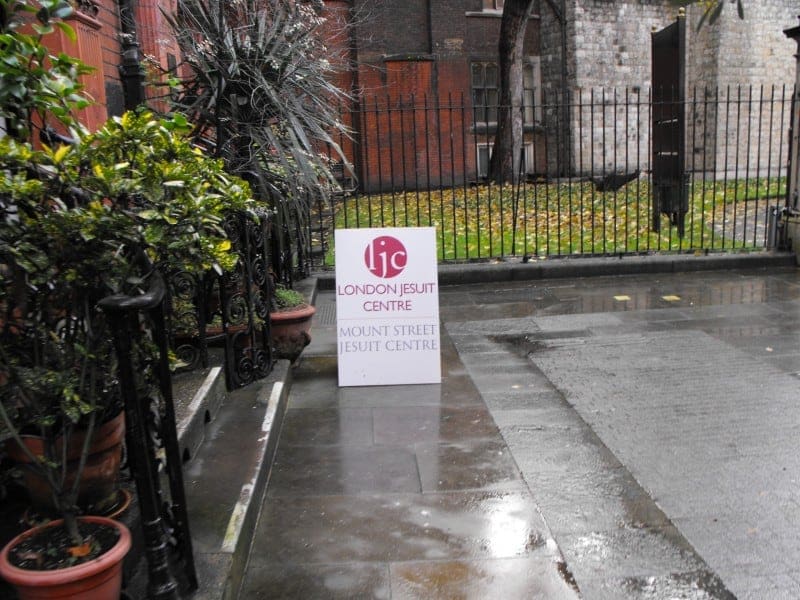
On 27th November 2019 the first National Summit on Education Chaplaincy was held in the Jesuit Institute, Mount Street, Mayfair, London W1. It brought together by invitation of ‘The Centre for Chaplaincy in Education’ those groups and individuals with a particular interest in researching Chaplaincy in Education and training for such roles. The format of the day was based on the ‘World Cafe’ format frequently used in consultations within education circles. Groups moved around tables with set questions laid out on them and stayed for a set time at each table reading the questions and the comments of previous groups, discussing their answers, and adding their feedback to the sheets on the tables. Questions raised centred around Chaplaincy in schools and colleges and covered several themes, some notes from which are below.
How can the success of Education Chaplaincy be measured?
A consistent theme was that successful Chaplaincy in Education is about Christian Presence and about providing spaces to interact with Christian chaplains. Ascension Trust (part of the group I travelled with around the tables) has a growing number of school ‘pastors’ who often take on a ‘listening’ and ‘befriending’ role. They are increasing their numbers in English schools and have three in Scotland at Elgin, Perth and Aberdeen. Kick London judges success by observable spiritual change in pupils and students and subsequent attendance at churches after invitation. Kick operates a distinctive academy model and offers counselling opportunities. They encourage Christian pupils to tell stories of faith and response. In more general discussion within my group it was also felt that another mark of success is when schools see the pastor/chaplain as part of their staff and create an active partnership of schools and churches.
How do we affirm our Education Chaplains?
Find those who are sensing school chaplaincy as a calling or vocation in its own right. The ultimate expression of success is peer chaplains, rather than a preponderance of lay to ordained Chaplains. Success is when chaplains are part of the school leadership team. Pray4schools are making every school a prayed-for school which affirms the value of what Chaplains are doing. Enabling and encouraging churches in working together to share resources and vision for reaching schools also affirms the value of Chaplaincy.
Other questions which were discussed included:
What one thing keeps you going as a Chaplain in Education?
What do we as Chaplains most want to say to our schools?
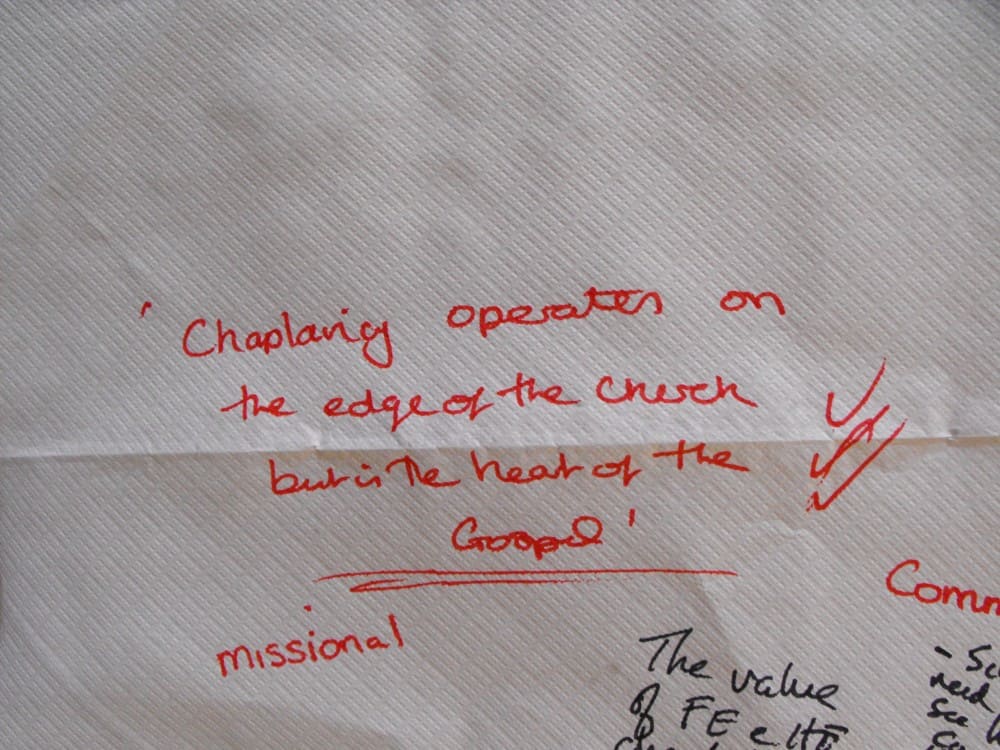
What do want to say to our churches about partnership with Chaplains in Education? [ This led on to a discussion about the role of Chaplains in Education and our place as Chaplains. The best quote (in my opinion!) was that ‘Chaplaincy operates on the edge of the Church but in the heart of the Gospel.’]
Values and virtues, Issues and Goals?
For many young people, school is the only place they will encounter church/the bible/Christians. We, as school chaplains, serve the 95% of young people who will never enter a church. Where are the BAME (Black, Asian and Minority Ethnic) background school chaplains? How to “professionalise” and recognise this ministry. A big issue is how we resource our school chaplains financially so they can be set aside for this ministry. How do those at the Summit join up to progress what has begun today? Map where the training opportunities are for school chaplains? It was great to see how many schools are now requesting Chaplains but there needs to be an investment of time, money, prayer and resources into schools work.
There was a sense of school chaplaincy in Scotland being well advanced in the UK. The ‘Centre for Chaplaincy in Education’ and those attending the Summit (including CVE Scotland) agreed to start the planning for a UK conference in 2021 on school chaplaincy, June, Midlands.